
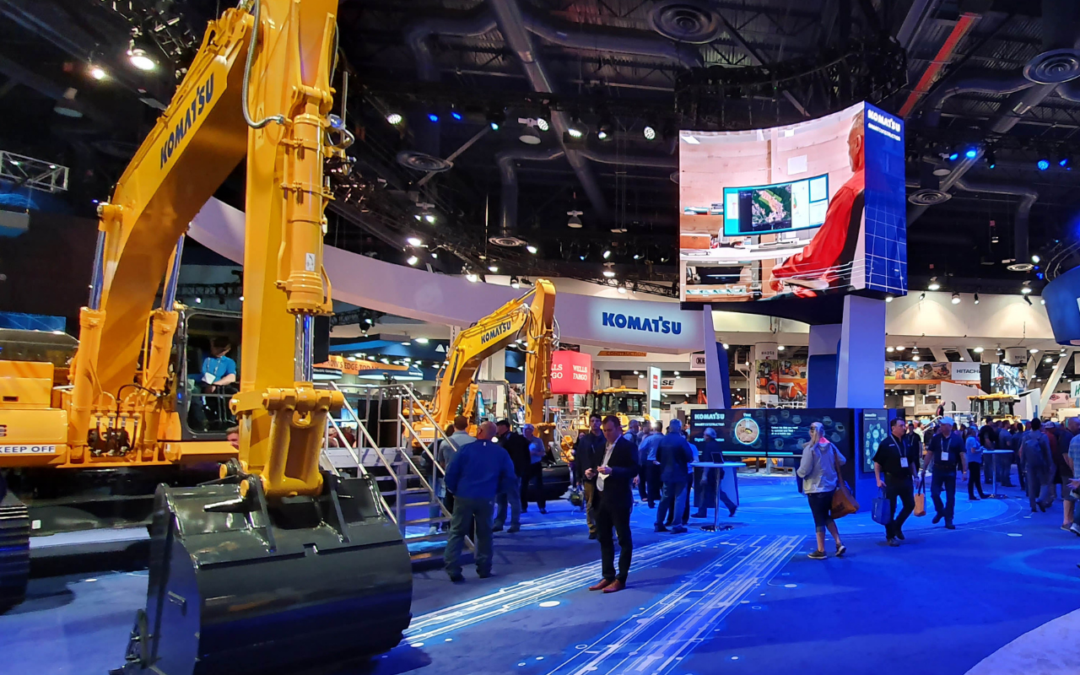
Designing the Experience
A designed trade show experience is a deliberate system built around three elements — the physical booth environment, the technology that captures relationships, and the behaviors of the people working the floor. When all three are intentional, the show becomes a relationship acceleration environment. When any one of them is left to chance, the investment is at risk.
A Measured in Millions® trade show experience is engineered before the first attendee walks past — so that every conversation that happens on the floor has a place to go.
Why Design Matters
Most exhibitors put the majority of their preparation into things that are visible from twenty feet away — the backdrop, the display, the giveaway on the table. Very little thought goes into what happens when someone actually stops.
Poor booth design creates its own friction. A TV playing a product video at full volume makes it nearly impossible to have a real conversation. There are materials worth sharing, but nowhere to sit down and actually share them. A genuinely interested prospect wants to book a follow-up meeting, but nobody has a way to capture their information or get something on the calendar before they walk away. The SWAG on the table has nothing to do with what the company does — people grab it as they walk by without breaking stride. The raffle for the Yeti cooler brings a crowd, but most of them are there for the cooler, not the conversation.
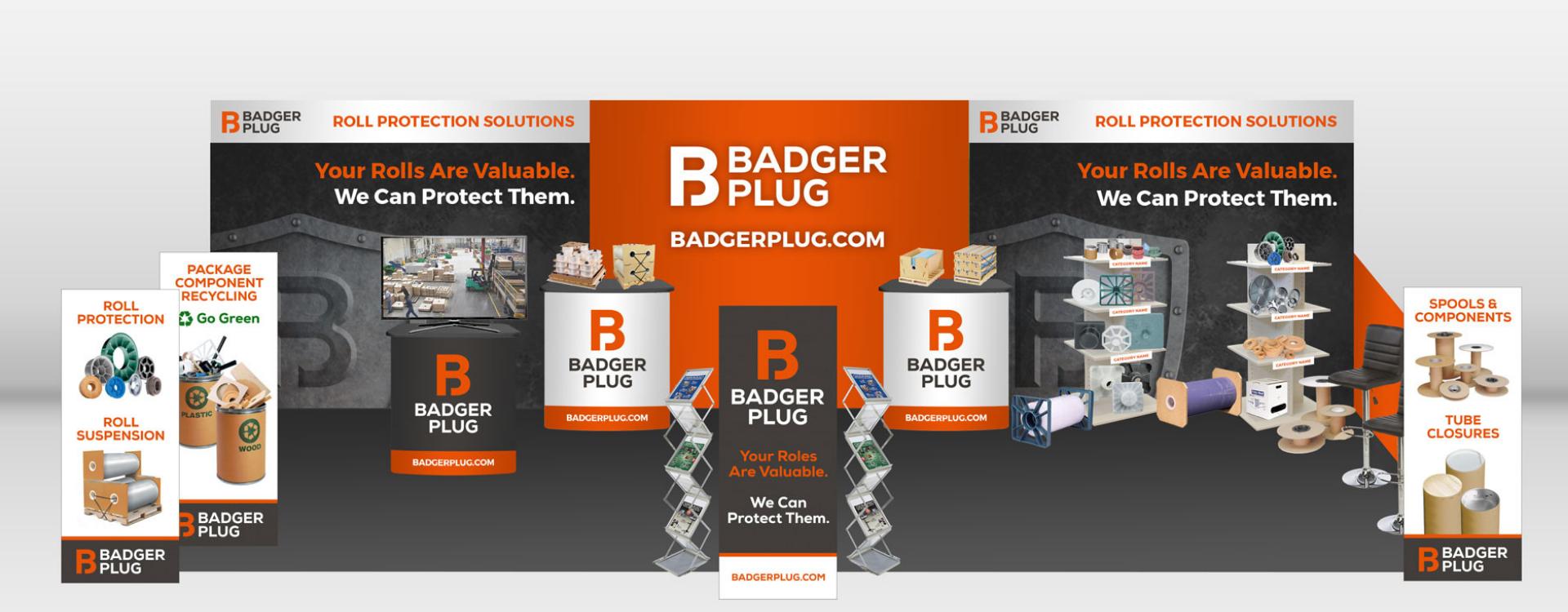
The visuals, the layout, and the technology all have to work together. A booth that looks impressive from the aisle but functions poorly up close sends a signal — that the company prepared for attention, not for relationships. The goal is a booth designed for both.
The MiM™ Lens
Through the Measured in Millions® lens, a trade show experience is evaluated across three dimensions — and all three must be designed together.
Booth Environment
The physical booth is the first signal a company sends to every person who walks past. Before a single conversation begins, the booth communicates whether this organization is premium, prepared, and worth stopping for — or whether it blends into the noise of the floor. Booth design should be evaluated through the eyes of an ideal account walking past for the first time. Is the brand clear? Is the message immediately understood? Does the space invite conversation or create a barrier? Is there a natural place for a deeper discussion to happen — a table, a defined area, somewhere that signals "we expected you and we're ready for you"?
Technology System
The goal of trade show technology is simple: ensure that every meaningful conversation is captured in real time and flows directly into the CRM. The system doesn't need to be elaborate. It needs to be used consistently.
A contact entered during a lull between conversations — with a brief note about what was discussed and what the next step is — is worth ten business cards entered a week later with no context attached. Whatever CRM the client is on, the standard is the same: no contact leaves the show without being in the system.
Booth Behaviors
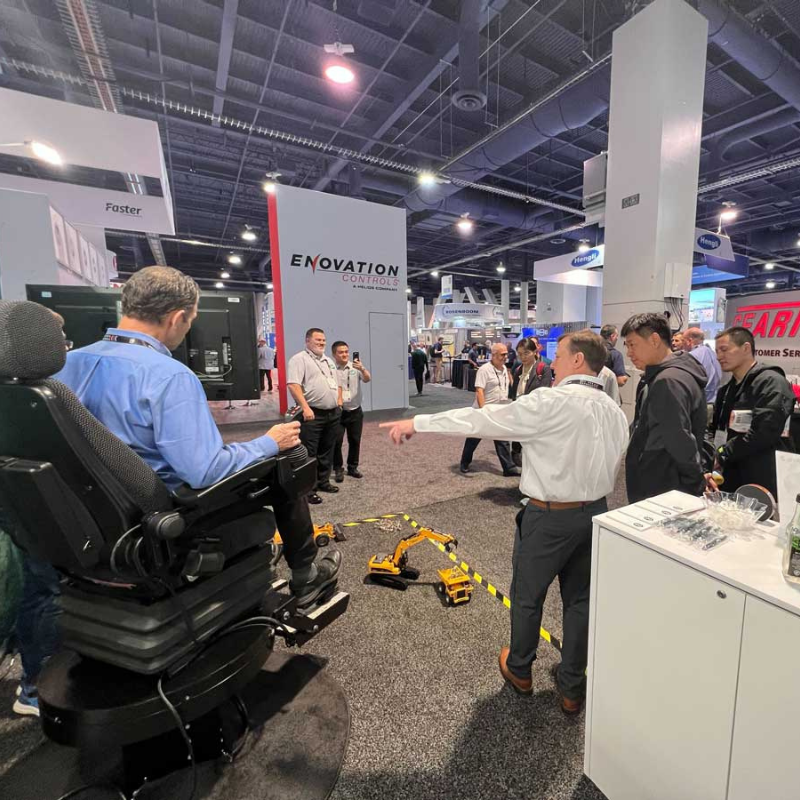
The visuals attract. The technology captures. The behaviors determine whether any of it produces a relationship worth keeping. Defined roles and defined behaviors — agreed upon before the show begins — are what separate a team that executes from a team that just shows up.
This Philosophy in Action
This philosophy guides Session 2 of the Trade Show Program — Building the System. In this session, the Coach, Creative Director, and Sales Tech Specialist work with the client's sales leadership to evaluate and design the full booth experience — the physical environment, the technology configuration, and the behaviors the team will use on the floor.
By the end of that session, the visuals, the technology, and the behaviors are no longer three separate conversations. They are one designed experience — ready to run before anyone boards a plane.
Click below to learn how to facilitate this session.